How to Train Your Dog While Juggling a Busy Schedule
Effective dog training doesn’t have to mean hour-long sessions every day.
How to Train Your Dog While Juggling a Busy Schedule
Life gets busy. Between work, kids, errands, activities, and everything else on the daily to-do list, many dog owners worry they simply don’t have enough time to train their dog “the right way.”
The good news? Effective dog training doesn’t have to mean hour-long sessions every day.
In fact, some of the best training happens in small moments woven naturally into everyday life.
Whether you have a new puppy, an adolescent dog, or an older dog needing better manners, consistency and intentional habits often matter more than long training sessions.
Small Sessions Add Up
One of the biggest misconceptions about dog training is that it requires large blocks of dedicated time.
In reality:
- short, frequent sessions are often more effective than long ones.
Dogs learn best through repetition and consistency. Even:
- 1–3 minute training sessions
- practiced throughout the day
- can create meaningful progress over time.
This is especially true for puppies and young dogs, whose attention spans are still developing.
Use Daily Life as Training Opportunities
Training doesn’t always need to happen in a formal session.
Some of the best opportunities happen naturally during your routine:
Before meals
Ask for:
- sit
- wait
- calm behavior
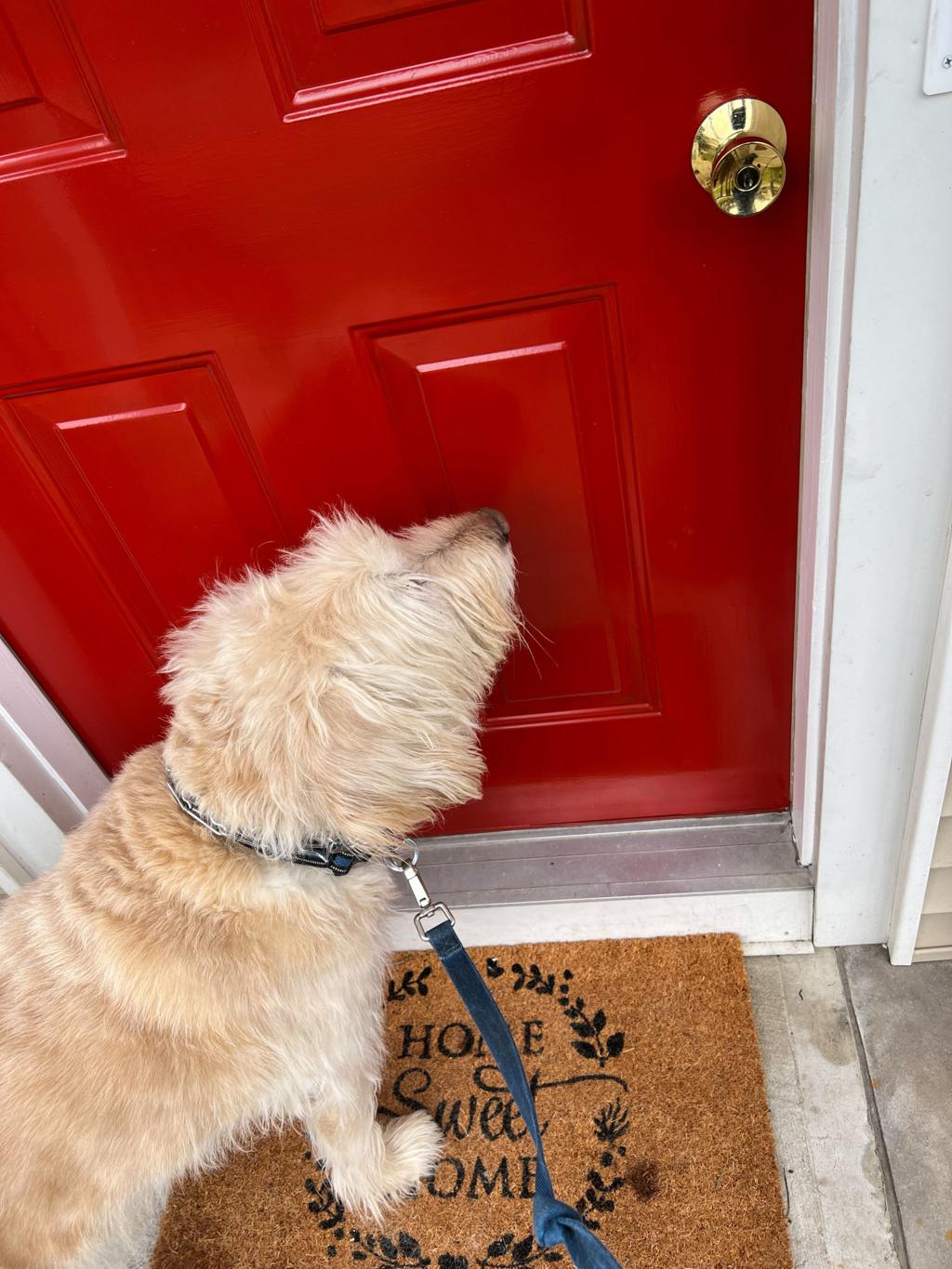
At doorways
Practice:
- impulse control
- polite exits
- waiting calmly
During walks
Reward:
- checking in
- loose leash walking
- calm attention
During play
Practice:
- drop it
- take breaks
- calm transitions
These small moments build real-life skills while fitting easily into a busy schedule.
Focus on the Behaviors That Matter Most
When life feels hectic, simplify your priorities.
Instead of trying to teach everything at once, focus on:
- recall (“come”)
- loose leash walking
- polite greetings
- settling calmly
- impulse control
These foundational skills improve daily life the most and make living with your dog easier and more enjoyable.
Quality Matters More Than Quantity
A calm, focused 2-minute session is often far more valuable than:
- a distracted 30-minute session,
- frustrated repetition,
- or training when everyone is overwhelmed.
Short sessions help both dogs and humans stay successful and motivated.
Make Calmness Part of Training
Training isn’t only about commands.
Teaching your dog how to:
- settle,
- relax,
- and exist calmly in the home
…is just as important.
Reward:
- lying quietly
- calm choices
- relaxing on a bed or mat
- choosing rest
Especially for busy households, calm behavior is a life-changing skill.
Don’t Aim for Perfection
Many dog owners feel discouraged because they think they need to do everything perfectly.
But dogs don’t need perfection.
They need:
- consistency,
- clear communication,
- patience,
- and realistic expectations.
Some days will go smoothly.
Some days will feel messy.
That’s normal.
Progress in dog training often happens gradually through small daily habits.
Keep Training Fun and Sustainable
If training starts to feel overwhelming, simplify it.
Choose:
- one small goal,
- one manageable routine,
- and short moments of success.
The best training plan is the one you can realistically maintain.
A few minutes of consistent training each day can create enormous change over time.
When to Get Extra Support
Sometimes busy schedules make it difficult to stay consistent or know where to start.
Working with a professional dog trainer can help you:
- create realistic goals,
- simplify the training process,
- and fit training into your everyday life.
Training should support your relationship with your dog—not become another source of stress.
Call Best Buddies Dog Training at 720-722-2519 or email zori.bestbuddies@gmail.com to schedule a free consulation!
Final Thoughts
You do not need endless free time to train your dog successfully.
By using small moments throughout the day, focusing on practical skills, and celebrating steady progress, you can build a well-mannered, connected relationship with your dog—even during busy seasons of life.
Consistency beats perfection every time.