Mouthy Puppies: Gentle Ways to Teach Bite Inhibition
Gentle Ways to Teach Bite Inhibition
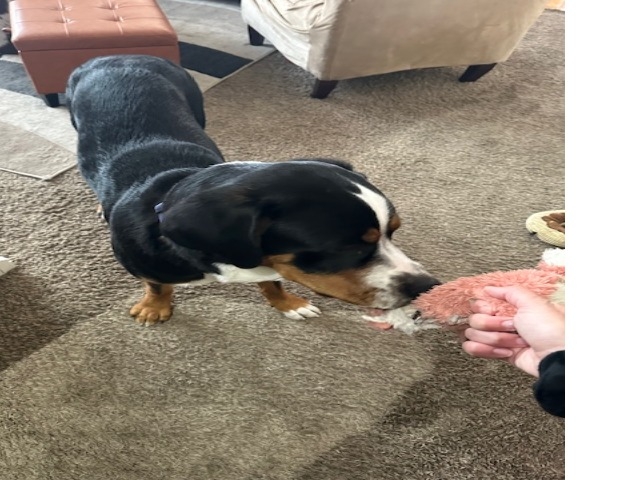
Mouthy Puppies: Gentle Ways to Teach Bite Inhibition
If you’ve brought home a young puppy and suddenly feel like you’re living with a tiny land shark… you are not alone.
Mouthing is one of the most common — and most misunderstood — puppy behaviors. Those sharp baby teeth can hurt, but mouthing itself is completely normal.
The goal isn’t to stop mouthing overnight.
The goal is to teach bite inhibition — the ability to control the pressure of their mouth.
And that’s something we teach gently, clearly, and consistently.
Why Puppies Mouth
Puppies explore the world with their mouths. Mouthing happens because:
-
They are teething.
-
They are overstimulated.
-
They are trying to initiate play.
-
They are tired.
-
They haven’t learned pressure control yet.
Mouthing is developmental — not dominance, not defiance, and not aggression.
When we respond calmly and intentionally, we shape a puppy who learns self-control instead of fear.
What Is Bite Inhibition?
Bite inhibition is a dog’s ability to control the force of their mouth.
Even adult dogs who never “bite” still use their mouths during play. A dog with good bite inhibition can:
-
Take treats gently
-
Play without bruising skin
-
Regulate pressure when excited
We are teaching:
“You can use your mouth — but gently.”
Gentle Ways to Teach Bite Inhibition
1. Redirect Immediately
When teeth touch skin:
-
Calmly say “Too bad” or “Oops.”
-
Immediately redirect to a toy.
-
Praise and engage when the puppy bites the toy instead.
Consistency matters more than intensity.
2. Pause the Fun
If redirection doesn’t work:
-
Stand up.
-
Cross arms.
-
Turn slightly away.
-
Remove attention for 5–10 seconds.
Resume interaction when the puppy is calm.
Puppies quickly learn:
Teeth on skin = fun pauses.
Calm mouth = fun continues.
3. Reinforce Calm Interaction
Most people only respond when the puppy bites.
Instead, reward:
-
Gentle licking
-
Calm snuggling
-
Soft mouth during play
-
Choosing a toy independently
Catch the behavior you want.
4. Manage Overstimulation
Many puppies mouth more when they are:
-
Overtired
-
Overexcited
-
Hungry
-
Overstimulated
If biting escalates, ask:
“Does this puppy need a nap?”
At 14–16 weeks, many puppies need 18–20 hours of sleep daily. Overtired puppies bite harder.
Use structured rest in a crate or pen before behavior spirals.
5. Teach Appropriate Play
Rough play often creates rough mouths.
Avoid:
-
Wrestling with hands
-
Encouraging grabbing clothing
-
Fast, chaotic movements that spike arousal
Instead:
-
Use tug with clear rules
-
Teach “Drop It”
-
Insert short pauses during play
-
Reward calm before restarting
Structured play builds self-control.
6. Be Patient With Teething
Between 12–20 weeks, teething intensifies.
Provide:
-
Frozen washcloths
-
Safe chew toys
-
Long-lasting chews
-
Rotation of textures
Meeting the chewing need reduces random biting attempts.
What Not to Do
Avoid:
X Yelling
X Holding the mouth shut
X Tapping the nose
X Alpha rolls
X Harsh corrections
Punishment can:
-
Increase fear
-
Escalate biting
-
Damage trust
-
Suppress communication
We don’t want a puppy who is afraid to use their mouth.
We want a puppy who knows how to control it.
When to Seek Support
Reach out to a professional trainer if:
-
Biting is breaking skin frequently.
-
The puppy shows stiff body language.
-
Growling accompanies handling.
-
Redirection and pauses aren’t improving behavior.
Most mouthing is normal — but guidance can make the process smoother.
The Bigger Picture
Mouthy puppies aren’t “bad.”
They are learning impulse control.
When handled gently and consistently, those sharp little teeth turn into a dog who:
-
Takes treats softly
-
Plays appropriately
-
Regulates excitement
-
Trusts their humans
Bite inhibition isn’t about stopping behavior.
It’s about teaching control.
And that takes patience, not punishment.
Need Help With Your Puppy’s Shark Phase?
If your puppy’s biting feels overwhelming, you’re not alone. With the right structure and guidance, this phase can become an opportunity to build calm, confident behavior that lasts a lifetime.
Reach out to schedule a puppy foundations session — and let’s turn those tiny teeth into thoughtful manners. Call Best Buddies Dog Training at 720-722-2519.