Family-Friendly Training: Getting Kids Involved Safely
Getting Kids Involved Safely in dog training
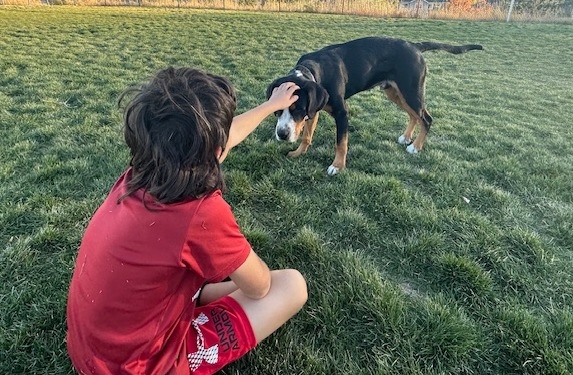
Family-Friendly Training: Getting Kids Involved Safely
When a family brings a dog into their home, they aren’t just gaining a pet—they’re welcoming a new member of the family. And just like any member of the household, dogs thrive when everyone participates in their care and training. Getting kids involved can be incredibly rewarding, both for the dog and for the child. The key is making participation safe, structured, and fun.
Below is a guide to creating positive, age-appropriate training moments that help kids bond with their dog while keeping everyone safe.
Why Involving Kids in Training Matters
1. It Builds Stronger Bonds
When kids participate in training, the dog learns to see them as trusted, predictable members of the family. This strengthens the relationship and reduces behavior struggles.
2. It Teaches Responsibility
Kids gain confidence and a sense of pride when they help their dog learn new skills.
3. It Promotes Consistency
A dog trained only by one adult may struggle with boundaries from others. Family involvement ensures habits and cues stay consistent.
4. It Makes Training More Fun
Children naturally bring enthusiasm—and dogs pick up on that energy. With the right guidance, this can make training sessions joyful and highly motivating.
Safety First: The Non-Negotiables
Before kids jump in, set a few ground rules to keep everyone safe and stress-free:
• Adults supervise all interactions
Even the gentlest dog can feel overwhelmed or confused during training. Adults should guide, model, and step in when needed.
• Choose age-appropriate responsibilities
Younger kids can help with simple cues, easy enrichment, or rewarding. Older kids can take on more structured exercises.
• Keep sessions short
Kids and dogs both benefit from short, upbeat lessons—2–5 minutes at a time is perfect.
• No high-stakes behaviors
Leave anything involving fear, aggression, guarding, or leash reactivity to adults and professionals.
Age-Appropriate Training Ideas
Ages 3–6: Simple, Fun Helpers
Younger children can safely participate through:
-
Tossing treats on the floor for “Find It”
-
Helping with enrichment like stuffing Kongs
-
Practicing name recognition games (“Where’s Buddy?”)
-
Rewarding calm behavior while the dog is on leash or in place
Goal: Build positive associations and gentle interactions.
Ages 7–10: Beginner Trainers
This age group can start learning how to teach simple cues:
-
“Sit,” “Down,” “Touch” (hand target)
-
Taking turns with recall games in the yard
-
Helping with mealtime training routines
-
Leading structured enrichment activities or obstacle courses
Goal: Learning training mechanics like timing, patience, and body language.
Ages 11–15: Confident Junior Handlers
Older kids can take on more responsibility:
-
Practicing leash skills in low-distraction areas
-
Teaching tricks and novelty cues
-
Helping with daily exercise or play
-
Participating in routine training sessions
Goal: Building consistency and teamwork while staying within safe limits.
Fun Games the Whole Family Can Play
1. Puppy Ping-Pong (Recall Game)
Kids stand in different spots and take turns calling the dog for rewards. It builds a positive, reliable recall—and kids love it.
2. Hide and Seek
A great way for children to practice hiding quietly and rewarding the dog for finding them.
3. Red Light, Green Light
Kids freeze (“red light”) when the dog jumps. They move again (“green light”) when the dog sits. This teaches calm greetings without lecturing or scolding.
4. Trick Challenges
Kids choose a trick—spin, paws up, bow, crawl—and practice building it step-by-step.
Teaching Kids How Dogs Communicate
Helping kids understand dog body language is one of the most important safety skills. Teach them to notice:
-
Loose, wiggly body = happy
-
Turning head away = needs space
-
Licking lips / yawning = nervous
-
Tail tucked / ears back = unsure
-
Freezing = STOP all interaction immediately
Make it a game by labeling dog emotions in real time: “Is that a happy wag or a slow, unsure tail?”
What Kids Should Not Do
For safety:
-
No hugging, climbing on, or grabbing at the dog
-
No training around food, bones, or toys if the dog has any guarding tendencies
-
No leash handling with reactive, fearful, or overly strong dogs
-
No punishment or yelling—kids learn positive training by example
How Parents Can Set Everyone Up for Success
Model Calm, Clear Behavior
Kids copy what we do. Show them how to approach slowly, reward gently, and speak softly.
Create “Yes Spaces”
Use baby gates, playpens, or a “Place” bed so the dog has areas where they can rest undisturbed.
Celebrate Effort
Praise kids for trying—even if the timing wasn’t perfect. Encouragement keeps them engaged.
Family-Friendly Training Builds Lifelong Partnerships
When kids are guided with structure, patience, and supervision, they can become incredible training partners. These shared learning moments help dogs feel secure and bonded to every member of the family—while teaching kids empathy, confidence, and clear communication.
With the right foundation, training becomes a family project, not a chore. And for the dog? It becomes a world full of positive interactions and predictable routines—exactly what they need to thrive.
Ready to Create a Safe, Happy Training Routine for Your Whole Family?
If you’re looking for guidance on how to involve your kids safely—or you’d like professional support with family-friendly dog training—I’d love to help! I offer personalized, positive, and practical training plans designed for real-life households in Golden, Colorado and nearby areas.
Whether you’re working on basic manners, building confidence, or creating smoother day-to-day routines, I’m here to support both your dog and your family every step of the way.
Reach out today to schedule a session or ask any questions - Call Zori at Best Buddies Dog Training at
720-722-2519 or visit www.dogtrainergoldenco.com
Let’s make training enjoyable, safe, and successful for everyone—two-legged and four-legged alike!